
Why return depth decides the point
The serving team is already at a disadvantage — stuck at the baseline while you control the net. A shallow return gives that disadvantage back by letting them hit an easy third shot drop or drive from close range. A deep return keeps them pinned, forcing a longer, harder shot.
This is one of the simplest, highest-leverage adjustments a recreational player can make: hitting returns three feet deeper wins more points than almost any other single change.
How to hit a deep return
Use a full swing with a complete follow-through, rather than a short, guided punch. Aim the ball higher over the net than feels natural — most short returns come from aiming too flat, not from lack of power.
Contact the ball out in front of your body and transfer your weight forward through the shot. A rushed, off-balance return rarely carries enough depth.
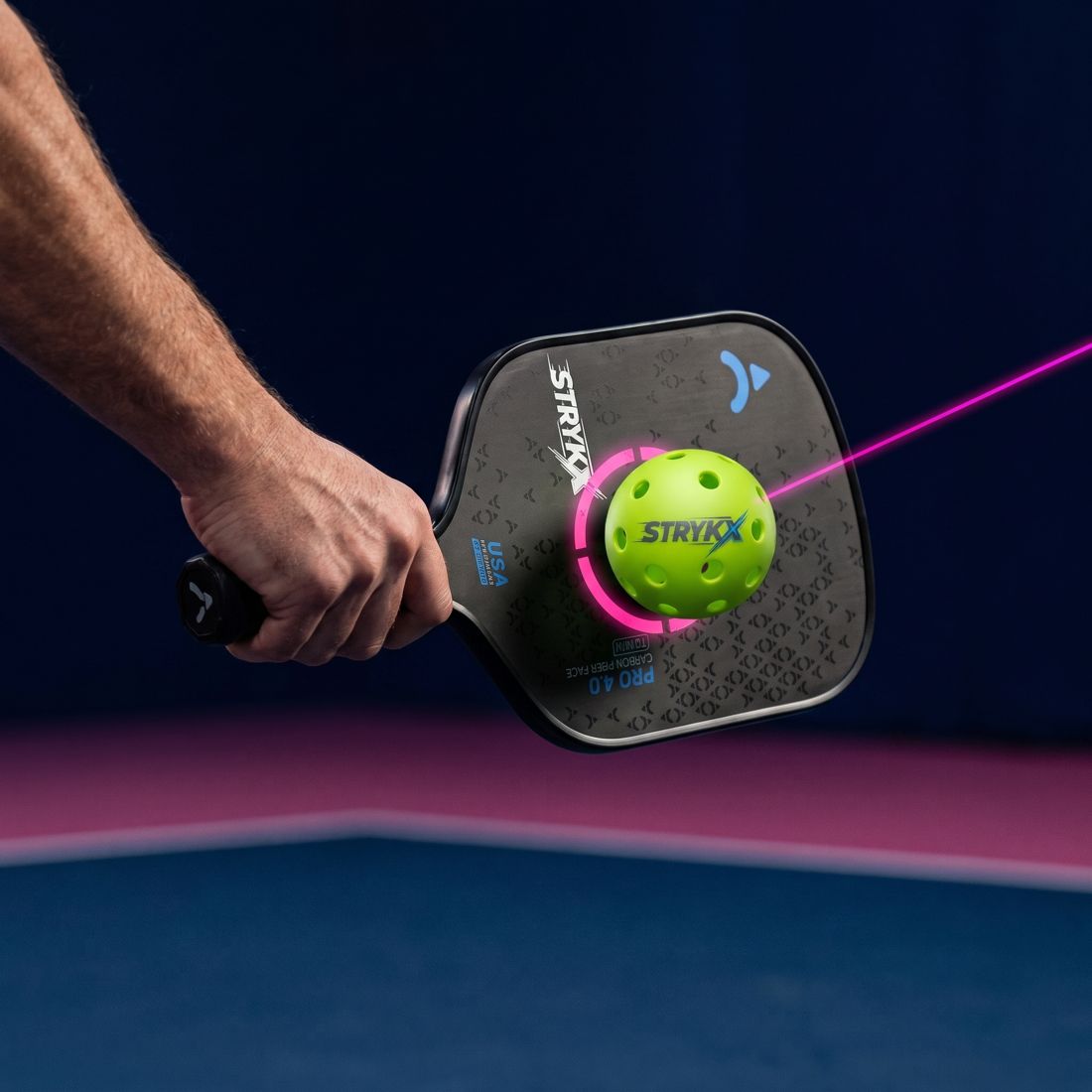
Positioning and recovery
Stand a step or two behind the baseline to give yourself more time to react to the serve, especially against a player who serves with pace or slice. After the return, recover quickly to a balanced, ready position — you'll need it for the serving team's third shot.
Good return positioning pairs directly with reading spin — see adding topspin and slice to understand how a sliced serve will behave differently off the bounce than a flat one.
Common return mistakes
Going for placement over depth. A sharply angled but shallow return is far easier to attack than a plain, deep one down the middle.
Guiding the ball instead of swinging through it. A tentative, guided stroke often falls short. Commit to a full, smooth swing.
Standing too close to the baseline. This reduces your reaction time against a fast or well-placed serve.