Technique · Beginner

Pickleball Serve Technique: How to Hit a Deep, Powerful Serve

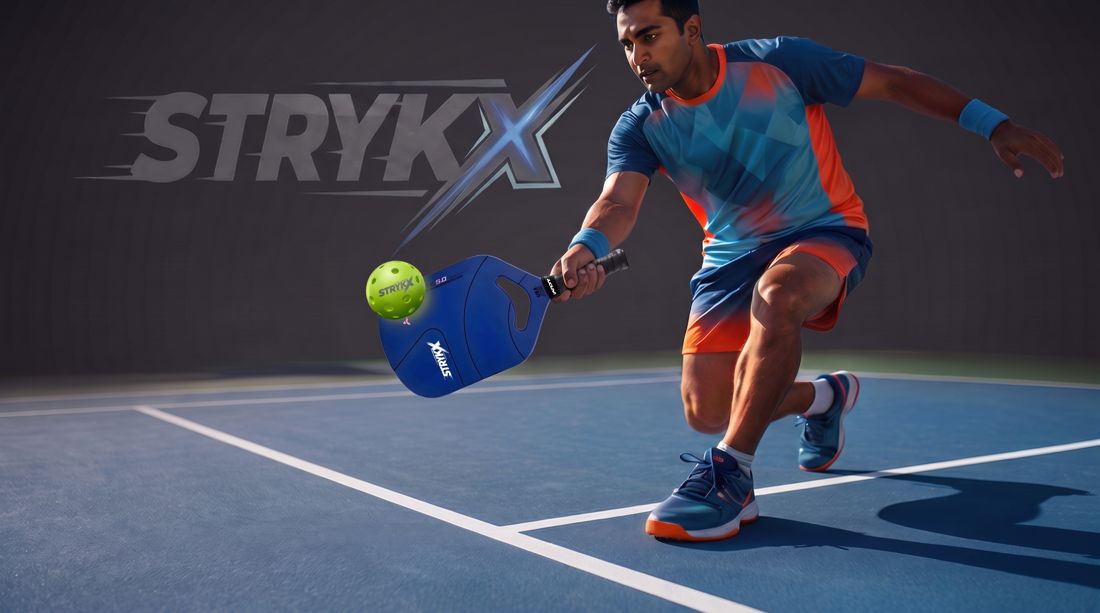
Player executing an underhand pickleball serve
The short answer

A legal pickleball serve is hit underhand, below waist height, with an upward arc that clears the net and lands deep in the opposite service court. Depth matters more than raw pace — a deep serve pushes your opponent back and buys your team time to get to the net.

Key takeaways

  • The serve must be underhand and contact the ball below waist level.
  • Depth beats power — a deep serve limits your opponent's angles.
  • A consistent toss and contact point matter more than arm speed.
  • Add slice to keep the serve low and skidding after the bounce.

The legal serve, explained

Pickleball rules require the serve to be hit underhand, with contact made below the waist and the paddle head below the wrist at contact. The serve is struck diagonally into the opposite service court and must clear the kitchen line — landing in the kitchen is a fault.

Because the return team gets first crack at the net, your serve's job is to buy time, not win the point outright. A serve that lands deep near the baseline pushes your opponent back before they can set up a strong return of serve.

Building a repeatable serve motion

Consistency starts with the toss or drop — keep it the same every time so your swing timing doesn't change point to point. Many players use a simple drop-and-strike motion rather than a hand toss, since it removes one variable.

Contact the ball out in front of your body with a smooth, low-to-high swing. Aim to finish with the paddle pointing toward your target — a rushed, choppy finish usually means a rushed, inconsistent serve.
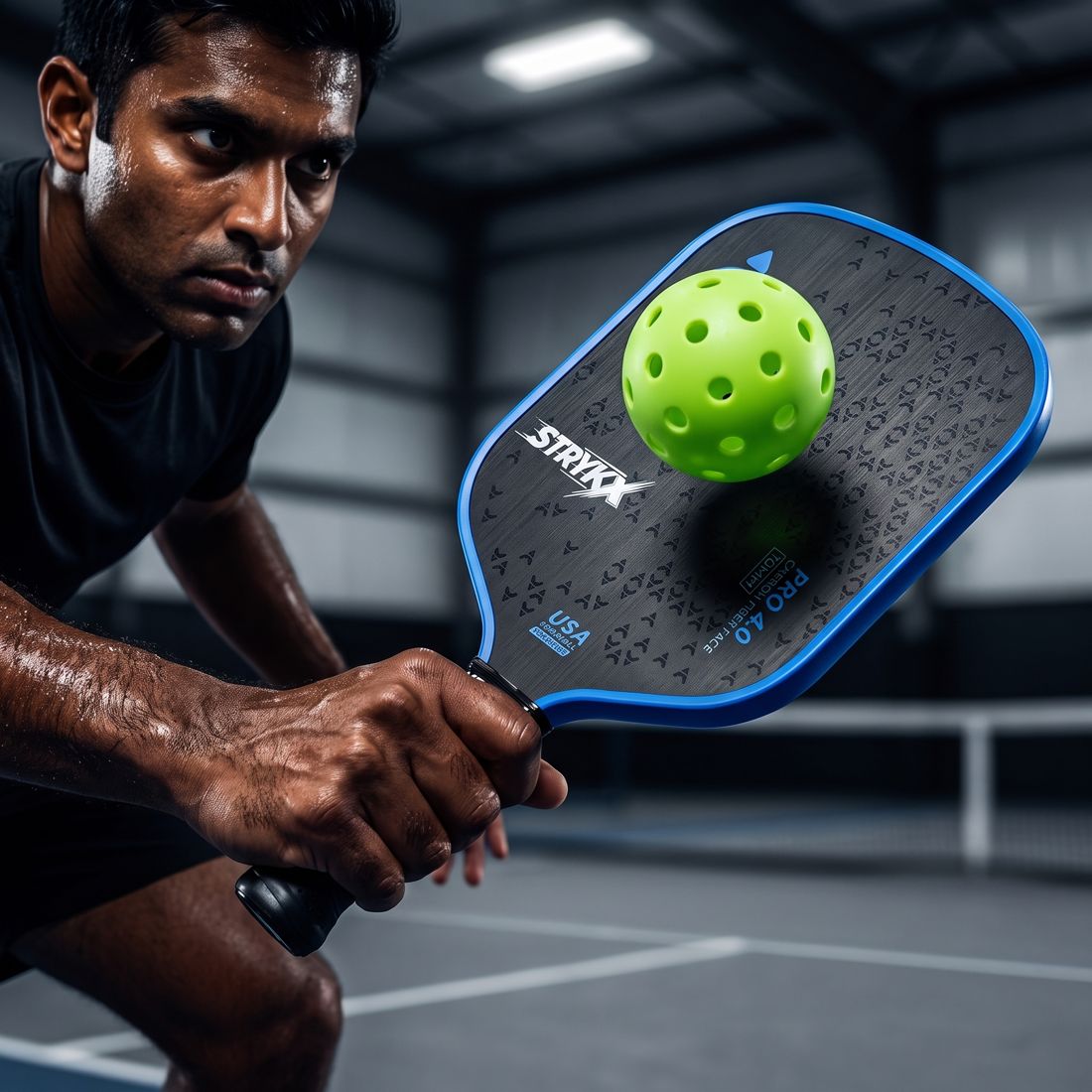
Player following through on a pickleball serve
A full, smooth follow-through is a sign of a repeatable serve.

Adding depth without losing control

Depth comes from a combination of upward arc and racquet-head speed, not from swinging harder. Aim the ball to peak in the middle of the court and land within a few feet of the baseline. If your serves are consistently landing short, the fix is usually more arc, not more force.

Once depth is consistent, add slice — see adding topspin and slice — to keep the ball low after the bounce, making it harder for your opponent to attack on the return.

Common serve mistakes

Rushing the motion. A fast, jerky serve is harder to repeat under pressure than a slow, smooth one.

Serving too short. A short serve lets your opponent step in and attack. Aim deep, near the baseline.

Inconsistent drop or toss. If the ball starts in a different place every time, your contact point moves, and so does your accuracy.
Gear that helps

A face built
for depth

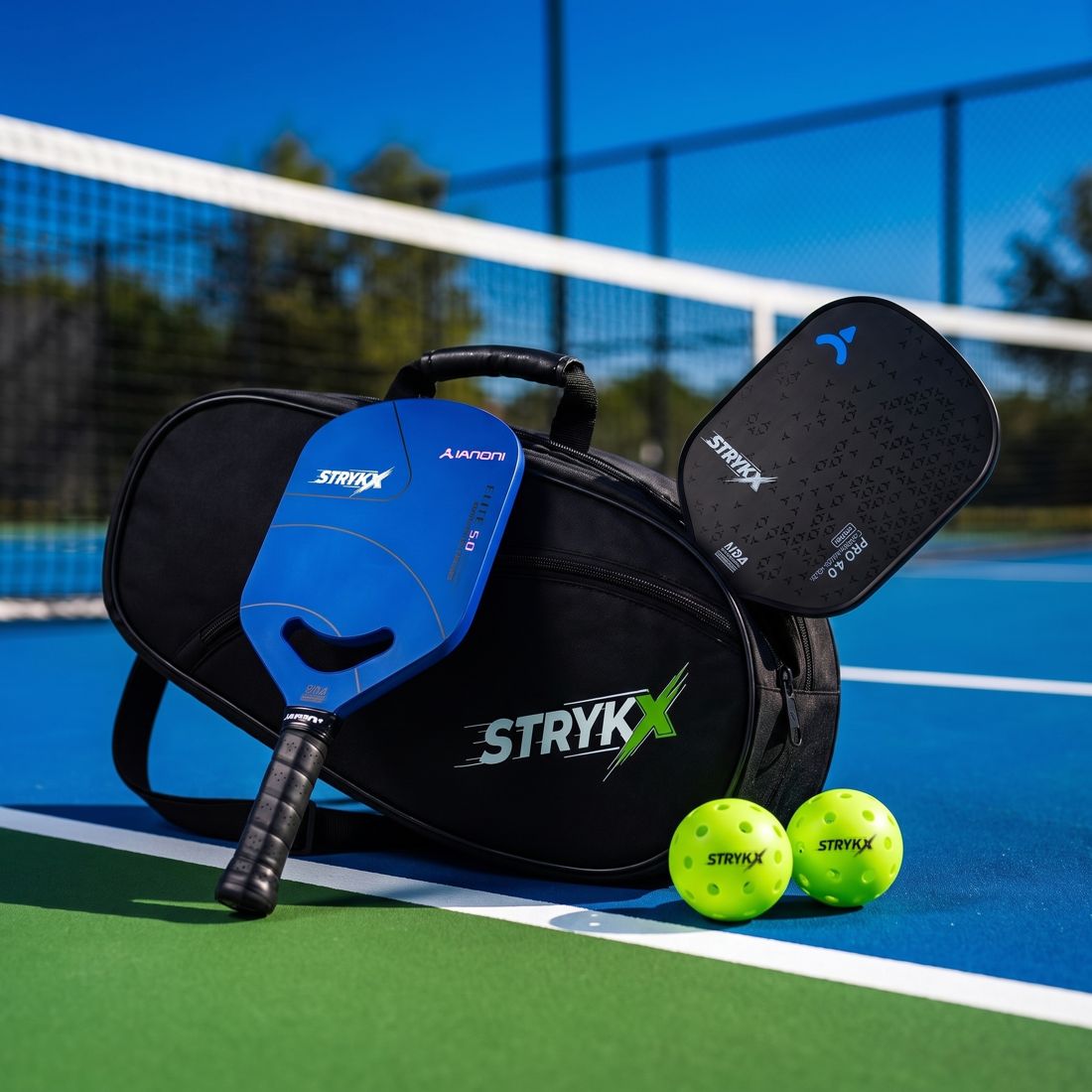
The STRYKX Pro 4.0's aero curve head accelerates faster through the swing, helping you generate serve depth with a smoother, more controlled motion.

Shop the Pro 4.0
Player loading up a serve with a STRYKX Pro 4.0 paddle

Frequently asked questions

What makes a pickleball serve legal?

The serve must be hit underhand, with contact made below the waist and the paddle head below the wrist. It must clear the net and the kitchen, landing in the diagonal service court.

Should I focus on power or depth when serving?

Depth. A deep serve near the baseline limits your opponent's angles and return options far more effectively than raw pace, which is easier to attack if it sits up.

How do I make my serve more consistent?

Use the same toss or drop every time and swing smoothly with a full follow-through. Inconsistent ball placement before contact is the most common cause of an unreliable serve.

Does adding slice to my serve help?

Yes. A sliced serve stays lower and skids after the bounce, making it harder for your opponent to step in and attack on the return.

STRYKX Playbook · Technique · Reviewed July 2026