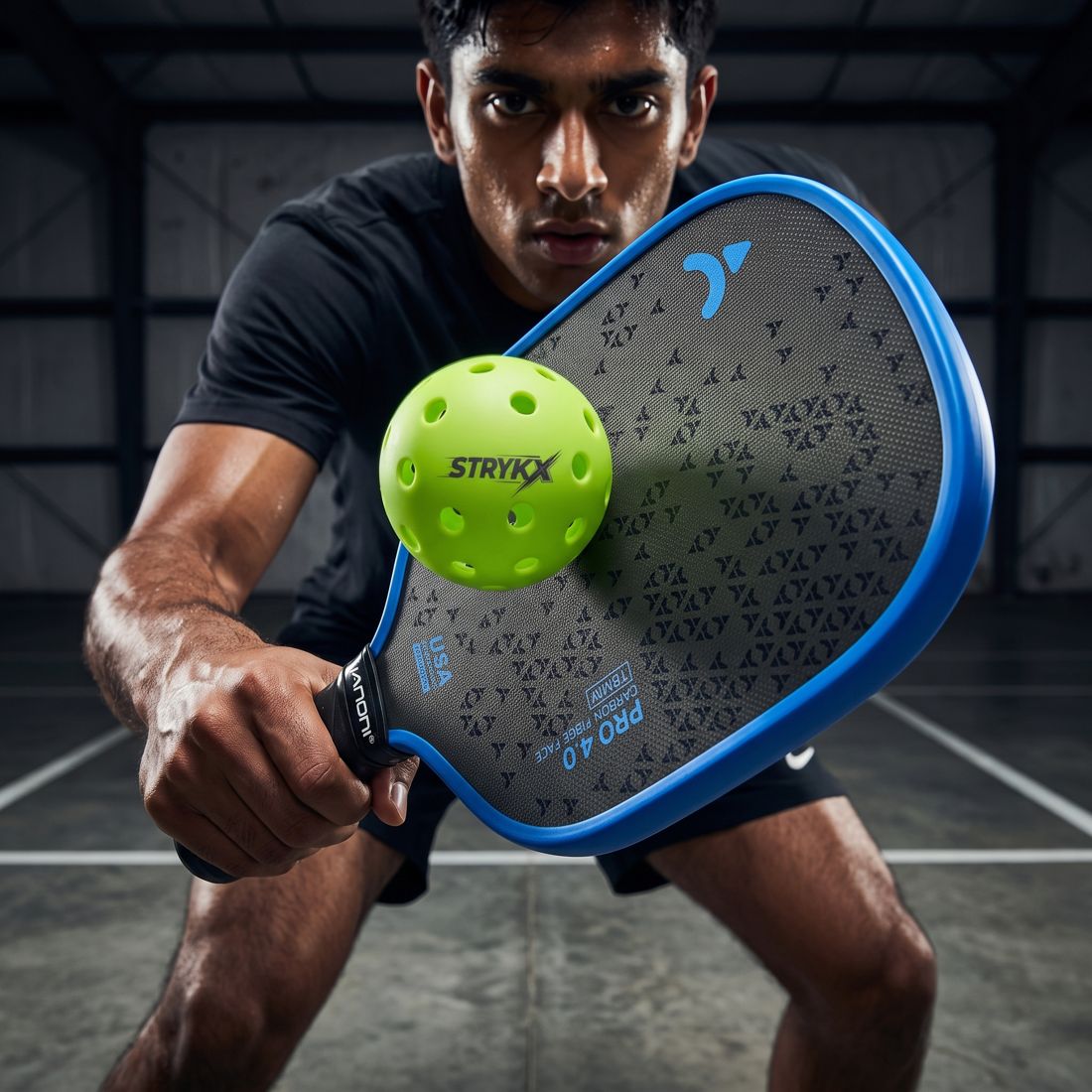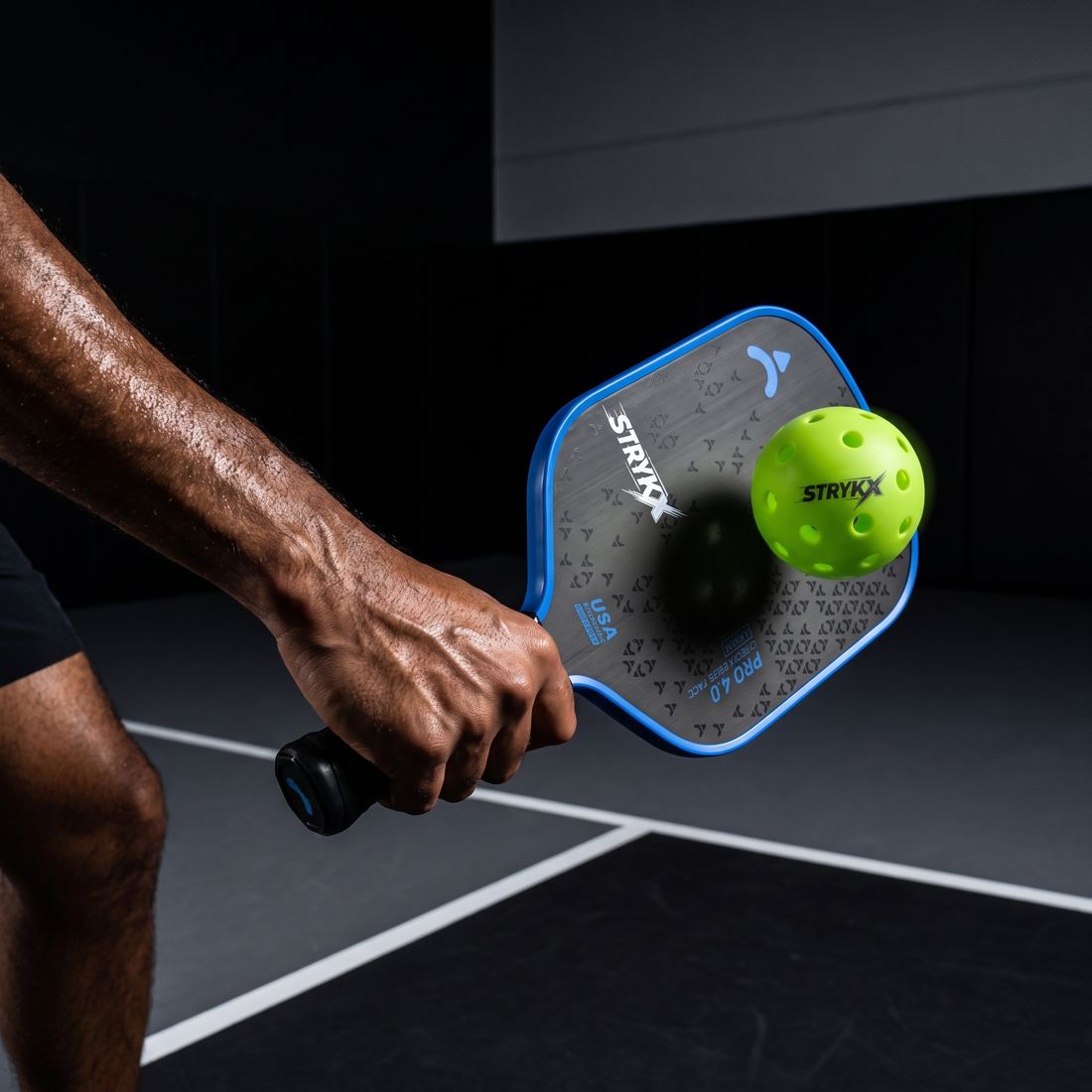
What is a dink and why does it matter?
A dink is a soft shot hit while standing at the kitchen line, arcing just over the net and landing in the opponents' non-volley zone. It's the shot that decides most points once both teams reach the net.
The dink exists because power doesn't work at close range — a hard-hit ball at the kitchen line gets punished. Once you've closed the net using a third shot drop, dinking is how you hold that position and wait for an opening.
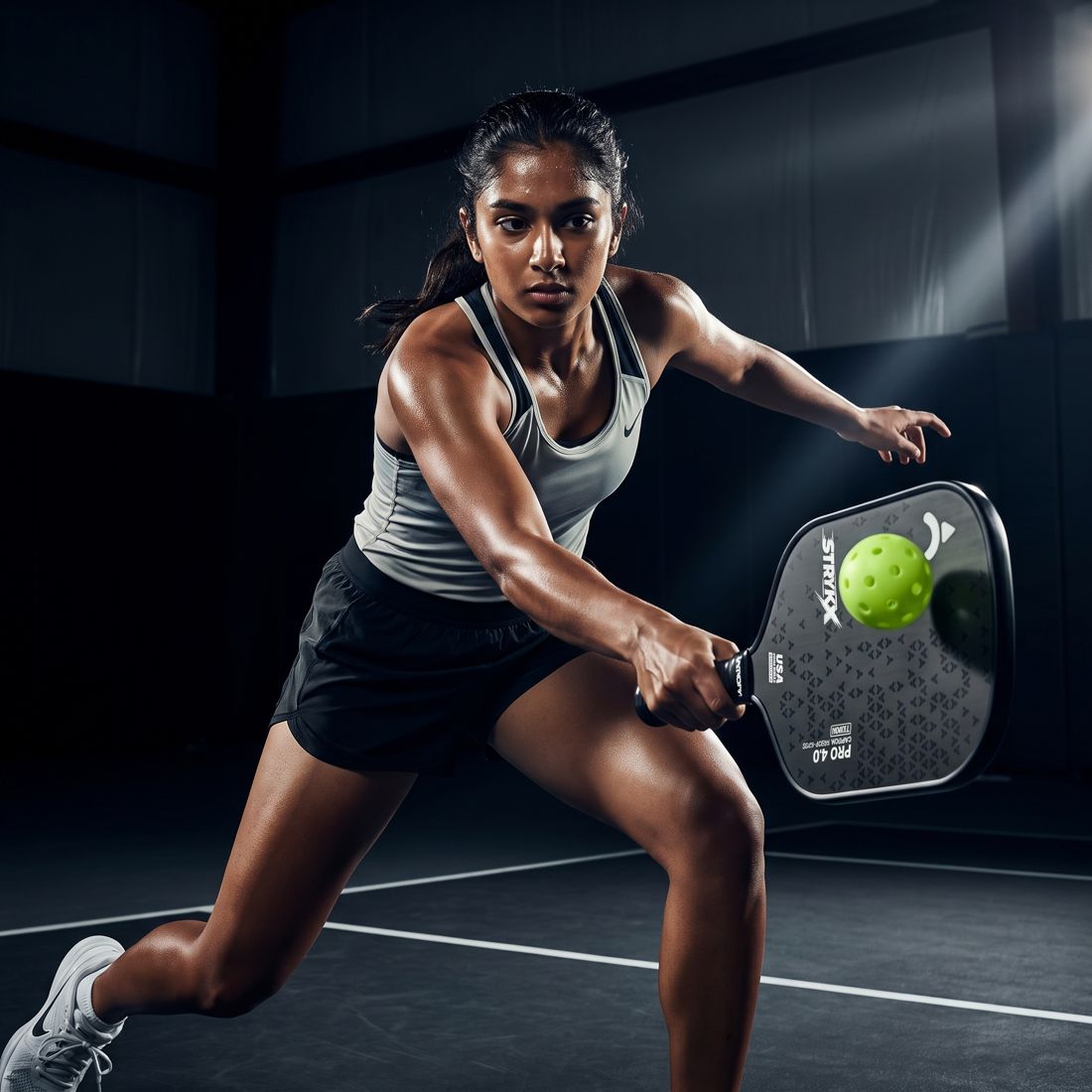
The correct dink motion
The dink comes from the shoulder and forearm moving together, with the wrist locked. Bend your knees, keep the paddle face slightly open, and push the ball rather than swinging at it. Contact happens out in front of your body, not beside it.
Aim for the ball to clear the net by two to six inches — enough to be safe, not enough to sit up and get attacked. Depth matters more than pace: a dink that lands deep in the kitchen is harder to attack than one that lands shallow.
Cross-court vs. straight-ahead dinks
Cross-court dinks travel over the lowest, widest part of the net and give you more room for error — the safer default. Straight-ahead (down-the-line) dinks are riskier but can catch an opponent out of position. Beginners should dink cross-court until the shot is consistent, then mix in straight-ahead as a change of direction. Combine this with the patience drills in serve technique — both rely on staying calm under low-pace pressure.
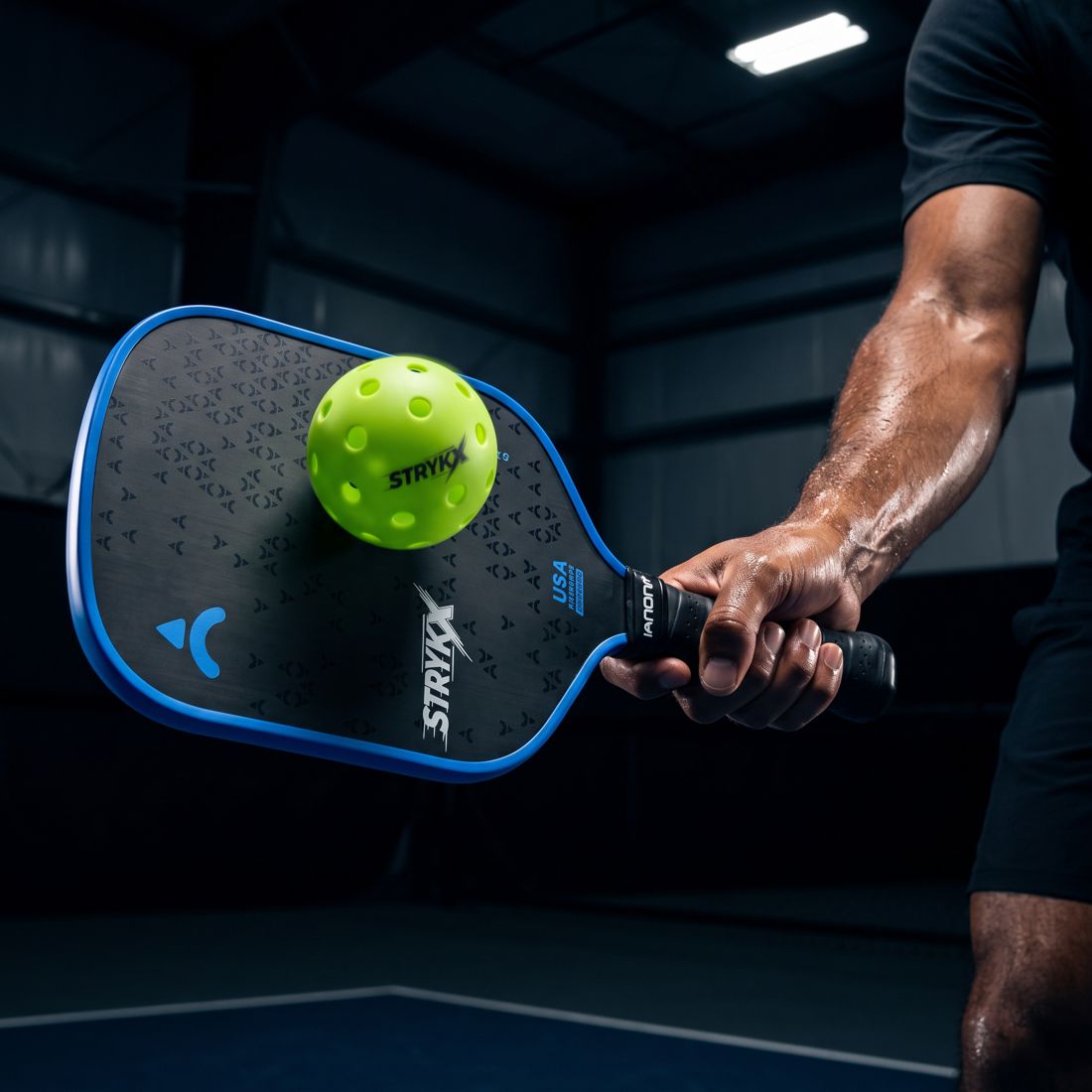
Common dinking mistakes
Hitting from the wrist. Wrist-driven dinks are inconsistent and easy to pop up. Keep the wrist quiet and let your shoulder do the work.
Standing up straight. A tall stance limits your reach and reaction time. Stay bent at the knees, paddle up, ready for the next ball.
Trying to win the point with one dink. Dinking is a patience game. Wait for your opponent to pop one up rather than forcing an unsafe shot.
How to dink, step by step
- 1
Get low and ready
Bend your knees at the kitchen line, paddle up in front of your body, weight forward on your toes.
- 2
Open the paddle face
Angle the face slightly upward so the ball lifts gently rather than driving flat.
- 3
Push, don't swing
Move the paddle forward from the shoulder with a short, controlled motion. The wrist stays still.
- 4
Contact out in front
Meet the ball ahead of your body so you keep control of the direction and height.
- 5
Reset your stance
Return to a low, ready position immediately so you're prepared for the return dink.