Technique · Beginner

Two-Handed Backhand in Pickleball: Technique and When to Use It

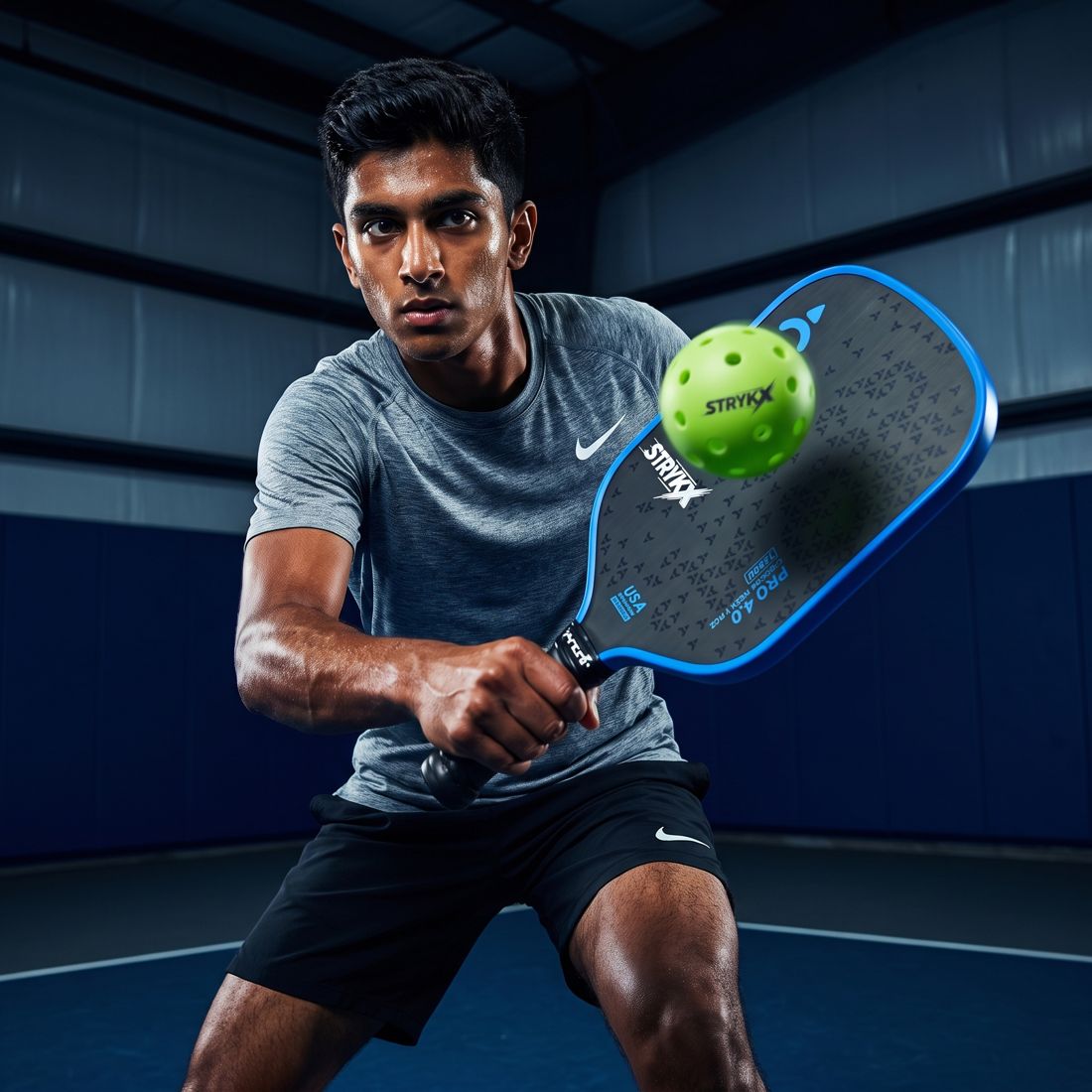
Player hitting a two-handed backhand in pickleball
The short answer

A two-handed backhand adds your non-paddle hand just below the paddle hand for extra stability and power, at the cost of some reach compared to a one-handed backhand. It suits players who want more control on drives and resets but should switch to one hand on wide balls that need extra extension.

Key takeaways

  • The support hand adds stability and power, especially on faster shots.
  • Two hands cost you reach — switch to one hand on wide balls.
  • The technique suits players who want more control over raw extension.
  • Both styles are valid; the choice is about trade-offs, not right or wrong.

Why some players prefer two hands

Adding your non-paddle hand just below your paddle hand on the backhand gives extra stability and a stronger connection to the shot, similar to a two-handed backhand in tennis. It particularly helps players who struggle with the wrist stability discussed in backhand fundamentals, since the second hand naturally limits unwanted wrist movement.

The two-handed technique

Place your non-paddle hand just below your paddle hand on the grip, turn your shoulders as you would for a one-handed backhand, and swing with both arms moving together. The added hand gives more control over the paddle face, which often translates into more consistent depth and direction, especially under pressure.

The trade-off: reach

The clear downside of two hands is reduced reach — a ball hit wide of your body is harder to reach and return cleanly with two hands on the paddle. Many two-handed players switch to a one-handed backhand specifically for wide balls, treating the two styles as complementary tools rather than choosing one exclusively. This connects to the footwork principles in footwork and the split step — better movement reduces how often you're stretched wide in the first place.

Choosing between one and two hands

Neither style is objectively better — it's a genuine trade-off between stability and reach. Players newer to the game or who struggle with backhand consistency often benefit from starting with two hands, then developing a one-handed backhand for wide balls as their game matures.
Related reading

Move less,
reach more

Good footwork reduces how often you're stretched wide in the first place. See the full guide to the split step and efficient movement.

Read the guide
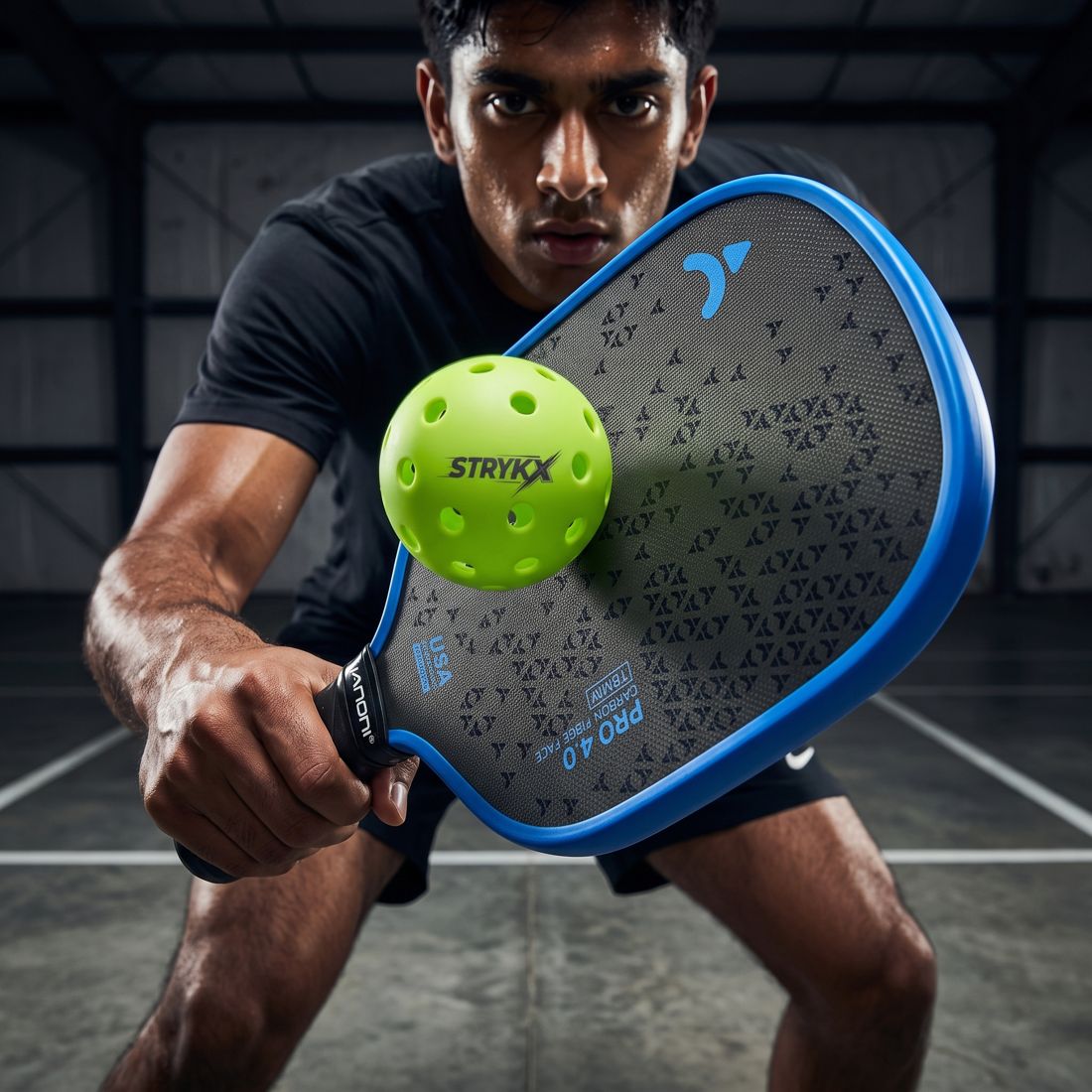
Player moving efficiently to reach a wide shot

Frequently asked questions

Is a two-handed backhand better than a one-handed backhand in pickleball?

Neither is objectively better — it's a trade-off. Two hands add stability and control at the cost of reach, while one hand offers more extension for wide balls at the cost of some stability.

How do I hold the paddle for a two-handed backhand?

Place your non-paddle hand just below your paddle hand on the grip, then swing with both arms moving together, similar to a two-handed tennis backhand.

Should beginners use a two-handed backhand?

Many beginners benefit from starting with two hands, since the added stability helps consistency early on, then developing a one-handed backhand later for wide balls that two hands can't reach.

Can I use both a one-handed and two-handed backhand?

Yes, and many players do — using two hands for most backhand shots and switching to one hand specifically for balls hit wide of their body that need extra reach.

STRYKX Playbook · Technique · Reviewed July 2026