How surface texture creates spin
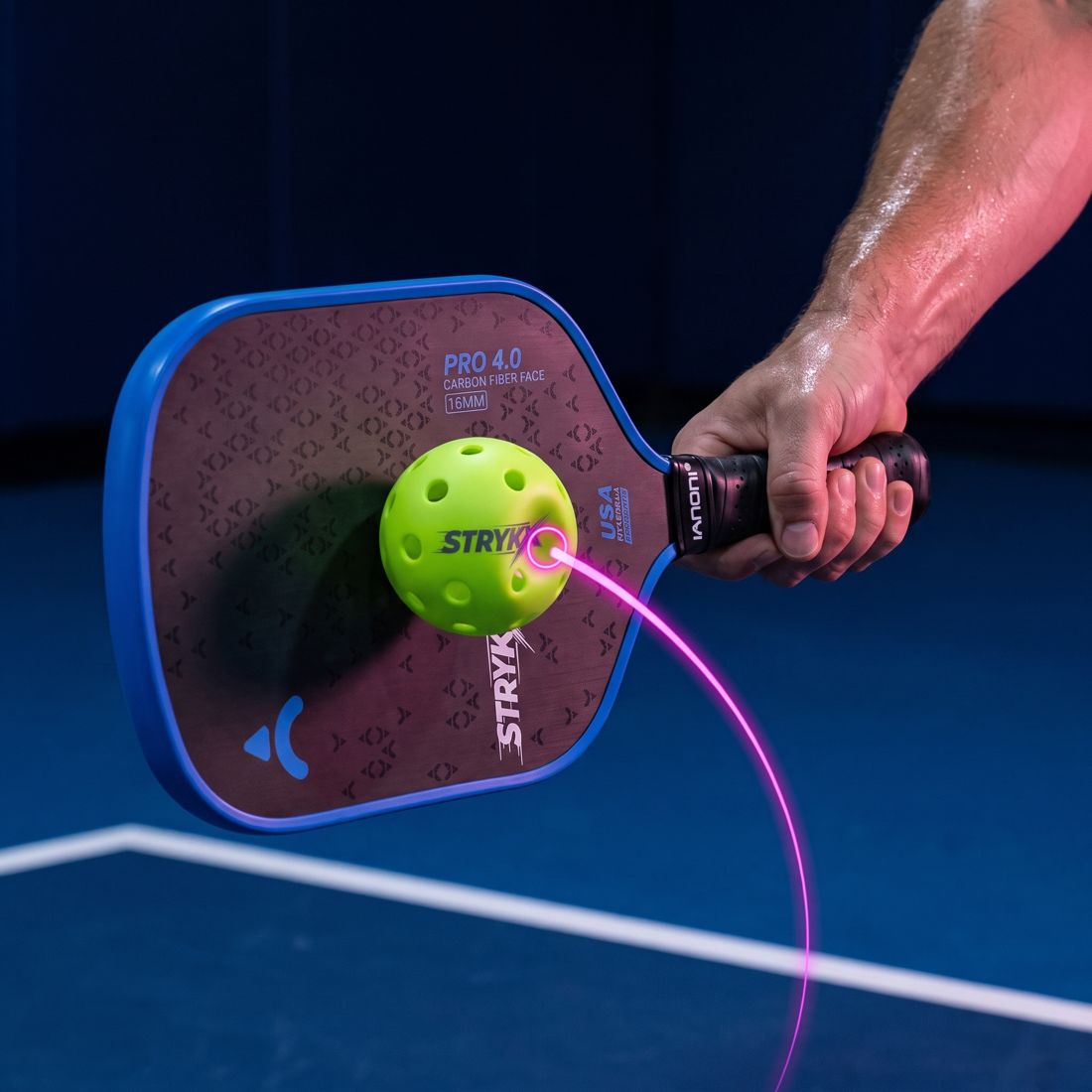
Spin happens at the moment of contact, when the ball grips the paddle face briefly before releasing. A rougher surface — raised grit, textured weave — holds the ball slightly longer during that contact, letting your swing path (see adding topspin and slice) translate into more rotation. A smooth or worn surface releases the ball faster, capping how much spin is possible regardless of technique.
Why sealed grit matters
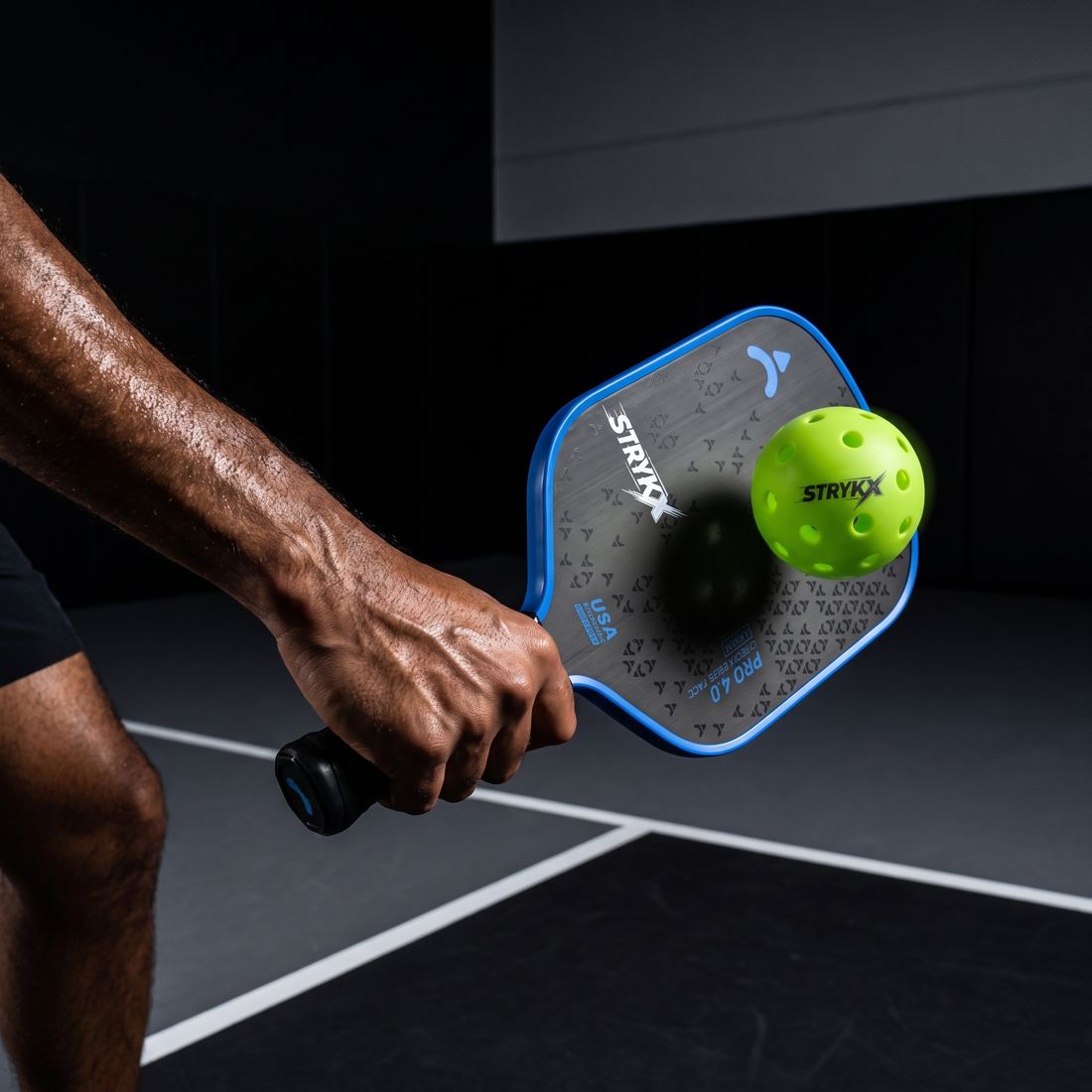
Grit texture wears down with repeated contact, especially on outdoor courts with harder, rougher balls. A sealed grit pattern locks the texture in place, resisting wear so spin performance stays consistent over a full season rather than fading noticeably within weeks.
Tournament-legal texture limits
Governing bodies set limits on surface roughness to keep spin generation within a fair range. A tournament-legal paddle balances real spin performance against these limits — always check a paddle's approval rating if you play sanctioned events, since some highly textured surfaces exceed legal limits.
Surface material and spin together
Surface texture and face material work together — a raw, unpainted carbon face paired with a sealed grit pattern generates the most consistent long-term spin, since there's no paint layer smoothing out the texture over time. See carbon vs. fiberglass for how the base material itself factors in.