How each material behaves at contact
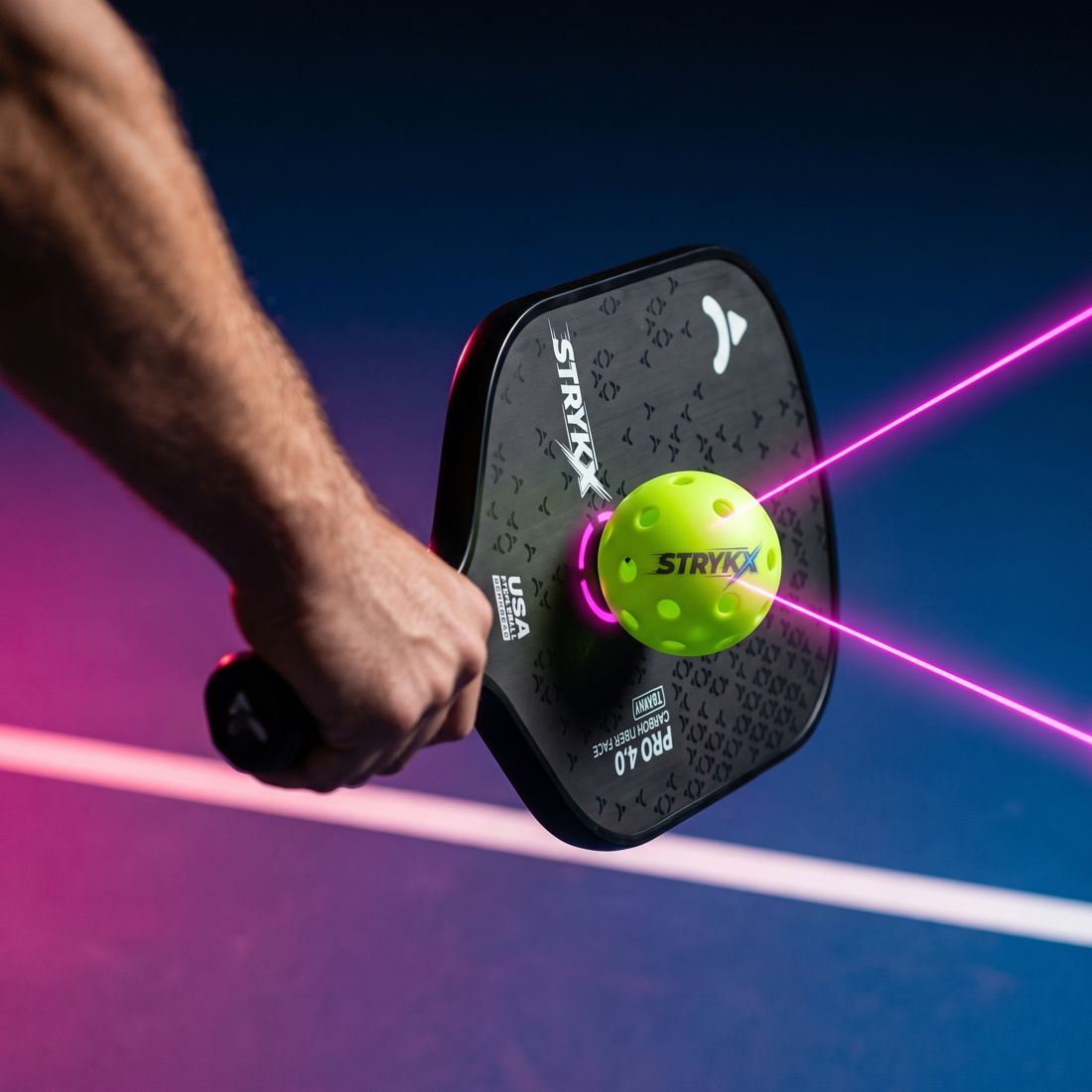
The face material is what actually touches the ball, so it has the biggest single influence on spin and feel. Carbon fiber has a textured, rigid surface that grips the ball a fraction longer at contact — directly increasing how much rotation you can generate with the same swing (see adding topspin and slice). Fiberglass has a smoother, softer surface that flexes slightly more at contact, giving a springier, more powerful feel but less bite for spin.
Durability over a season
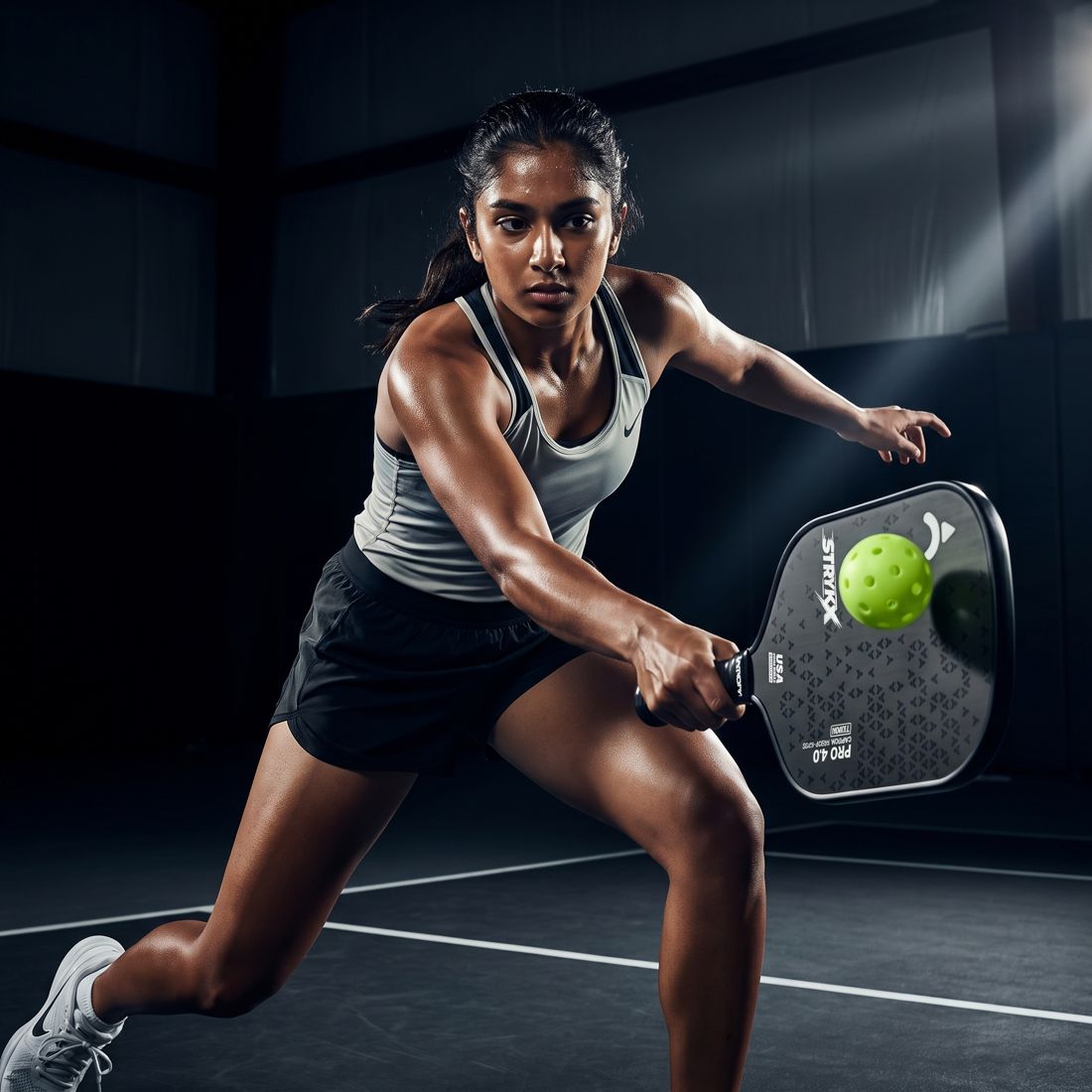
Carbon fiber faces, especially raw (unpainted) carbon, tend to hold their surface texture much longer than fiberglass. A raw carbon face can maintain consistent spin performance for a full season of regular play, while fiberglass surfaces often smooth out and lose grip texture within a few months of consistent use.
Power and feel
Fiberglass tends to feel springier and more powerful straight out of the box, which appeals to players who want easy pace without much swing effort. Carbon feels firmer and more control-oriented — power comes from technique and swing speed rather than the material doing the work for you.
Which should you choose?
If spin, control and long-term durability matter most to your game, carbon is the stronger choice — most competitive and improving players trend this direction. If you want maximum easy power and don't mind replacing paddles more often, fiberglass remains a reasonable option, particularly for casual or social play. For a full spec comparison beyond just the face, see choosing a paddle.