Gear · Beginner

Pickleball Paddle Core Thickness Explained: 13mm vs 14mm vs 16mm

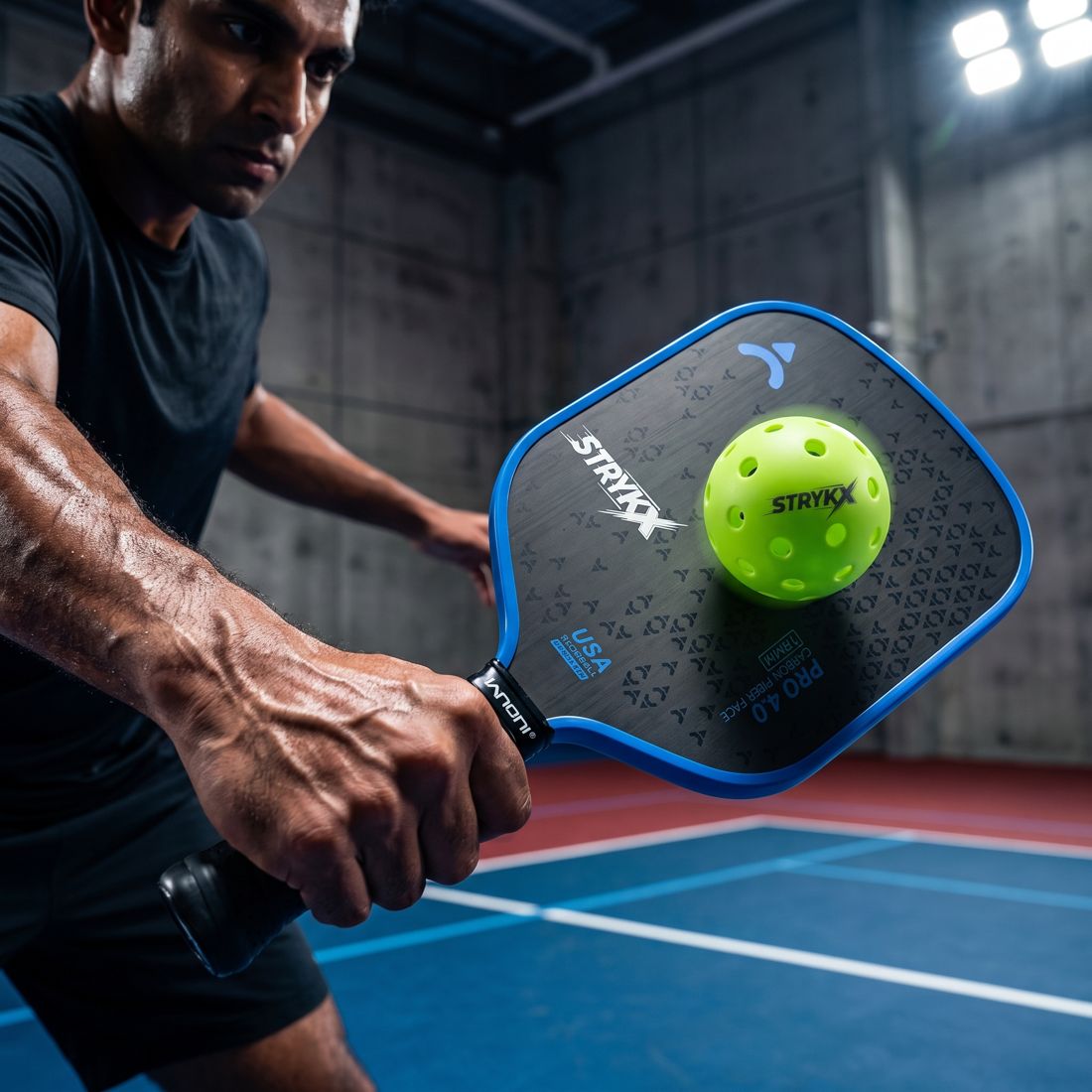
Cross-section view of a pickleball paddle honeycomb core
The short answer

A thicker paddle core (16mm) softens the ball at contact for better control and touch, useful for dinking and blocking; a thinner core (13-14mm) returns more energy for extra pop on drives and serves, at some cost to control. Most control-focused and improving players do best with a 16mm core.

Key takeaways

  • 16mm cores favour control, touch and vibration dampening.
  • 13-14mm cores favour pop and raw power on drives and serves.
  • Thicker cores generally suit net play; thinner cores suit baseline power.
  • Core material (usually polypropylene honeycomb) affects feel as much as thickness.

What the core actually does

The core is the honeycomb layer between the two paddle faces, and it's the main factor in how a paddle absorbs and returns energy on contact. A thicker core compresses more on impact, slowing the ball down and giving you more time and control over placement. A thinner core compresses less, returning more of the ball's energy as pace.

This is the mechanism behind why a thicker-core paddle makes the third shot drop and dinking noticeably easier to control — the core is doing some of the touch work for you.
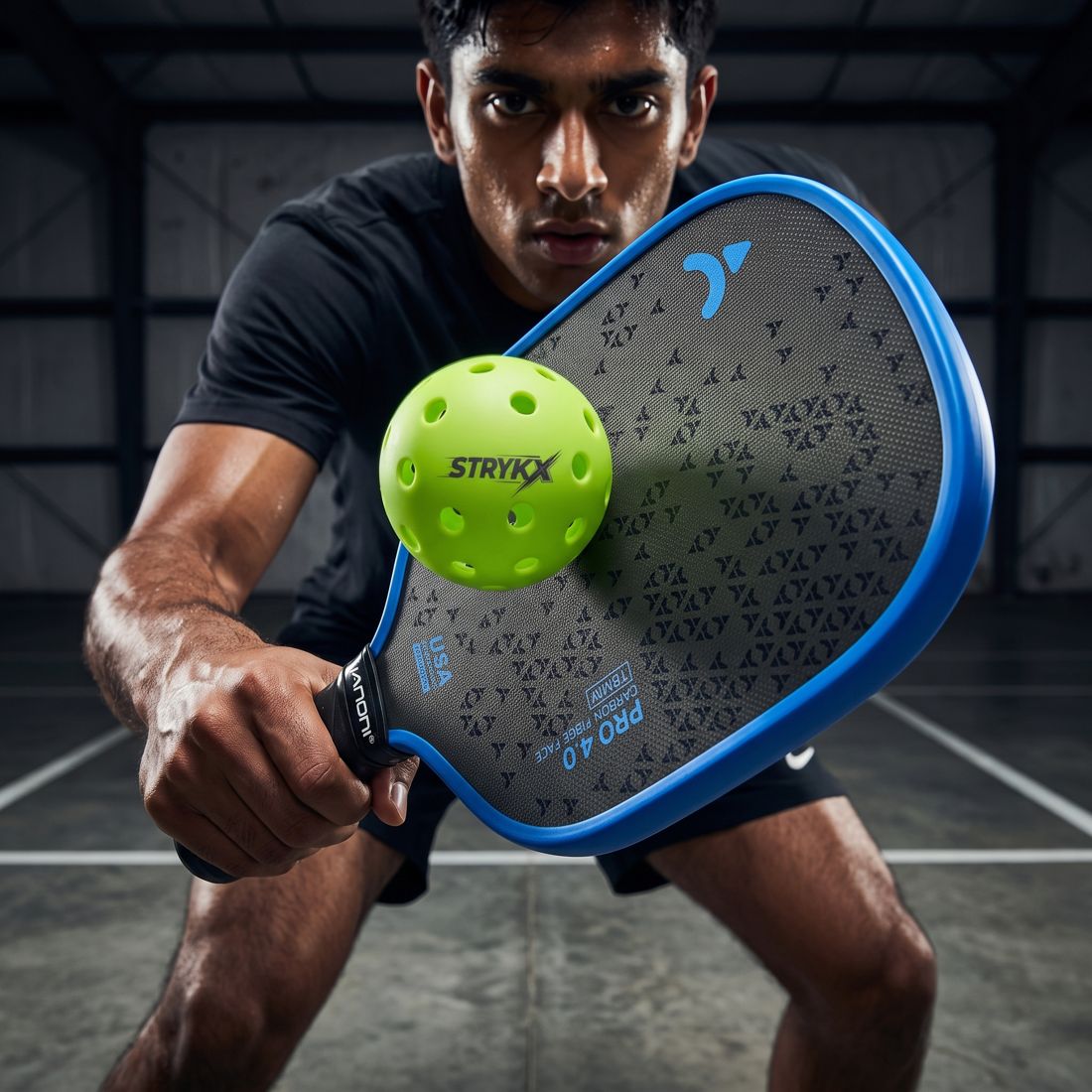
Player controlling a soft shot with a thick-core paddle
A thicker core absorbs pace, giving you more control over where the ball goes.

16mm cores: control and touch

A 16mm core is the thickest common option and generally the best choice for players who spend a lot of time at the kitchen line. It softens fast incoming shots on the block, adds control to drops and dinks, and dampens vibration — reducing strain on the wrist and elbow over long sessions.

13-14mm cores: pop and pace

Thinner cores return more energy on contact, giving drives and serves extra pace without needing as much swing effort. The trade-off is less natural control — shots can fly further than intended if contact isn't precise, making thinner cores less forgiving for players still building consistency.

Which core is right for you?

If your game leans toward the net — dinking, drops, resets — a 16mm core is the stronger default. If you play a faster, more baseline-driven power game, a thinner core may suit you better. For a full breakdown of how core pairs with face material and weight, see choosing a paddle.
Gear that helps

16mm, built
for control

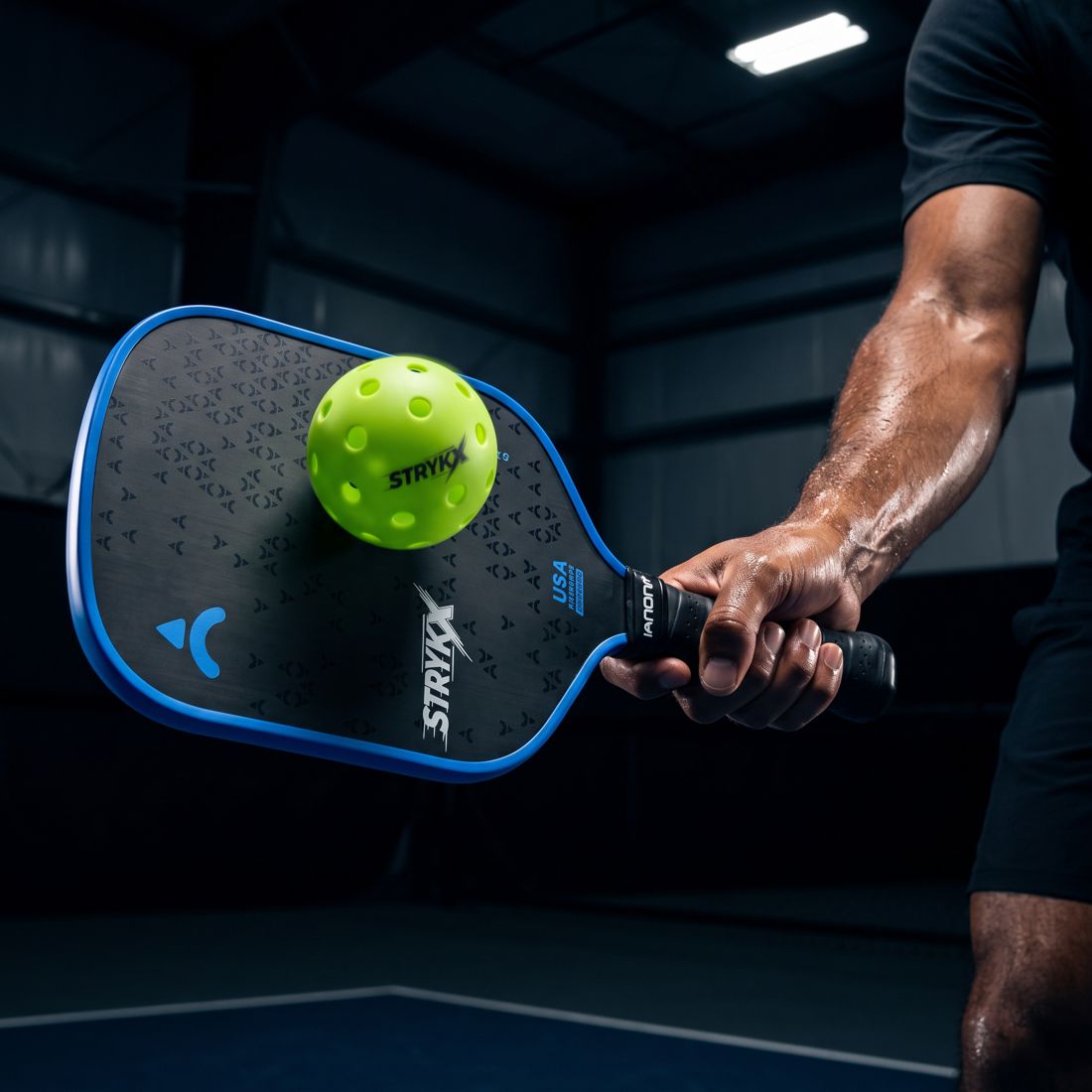
The STRYKX Pro 4.0's 16mm polypropylene core softens the ball at contact, so a fast shot comes off slow and low instead of bouncing up for your opponent to attack.

Shop the Pro 4.0
STRYKX Pro 4.0 paddle absorbing a fast shot

Frequently asked questions

What core thickness is best for beginners?

A 16mm core is generally the best default for beginners, since it offers more control and forgiveness on off-centre or mistimed shots while touch and consistency are still developing.

Does a thicker core mean less power?

Generally yes — a thicker core compresses more on contact, absorbing energy rather than returning it as pace, which trades some raw power for more control.

What core thickness do competitive players use?

It varies by playing style, but many competitive players who rely heavily on net play and control choose 16mm cores, while power-oriented players sometimes prefer 13-14mm.

What material are pickleball paddle cores usually made from?

Most cores use a polypropylene honeycomb structure, which balances weight, vibration dampening and energy return, though core density and cell structure vary between brands.

STRYKX Playbook · Gear · Reviewed July 2026