Technique · Intermediate

Volleys and Block Resets in Pickleball: How to Handle Hard-Hit Balls

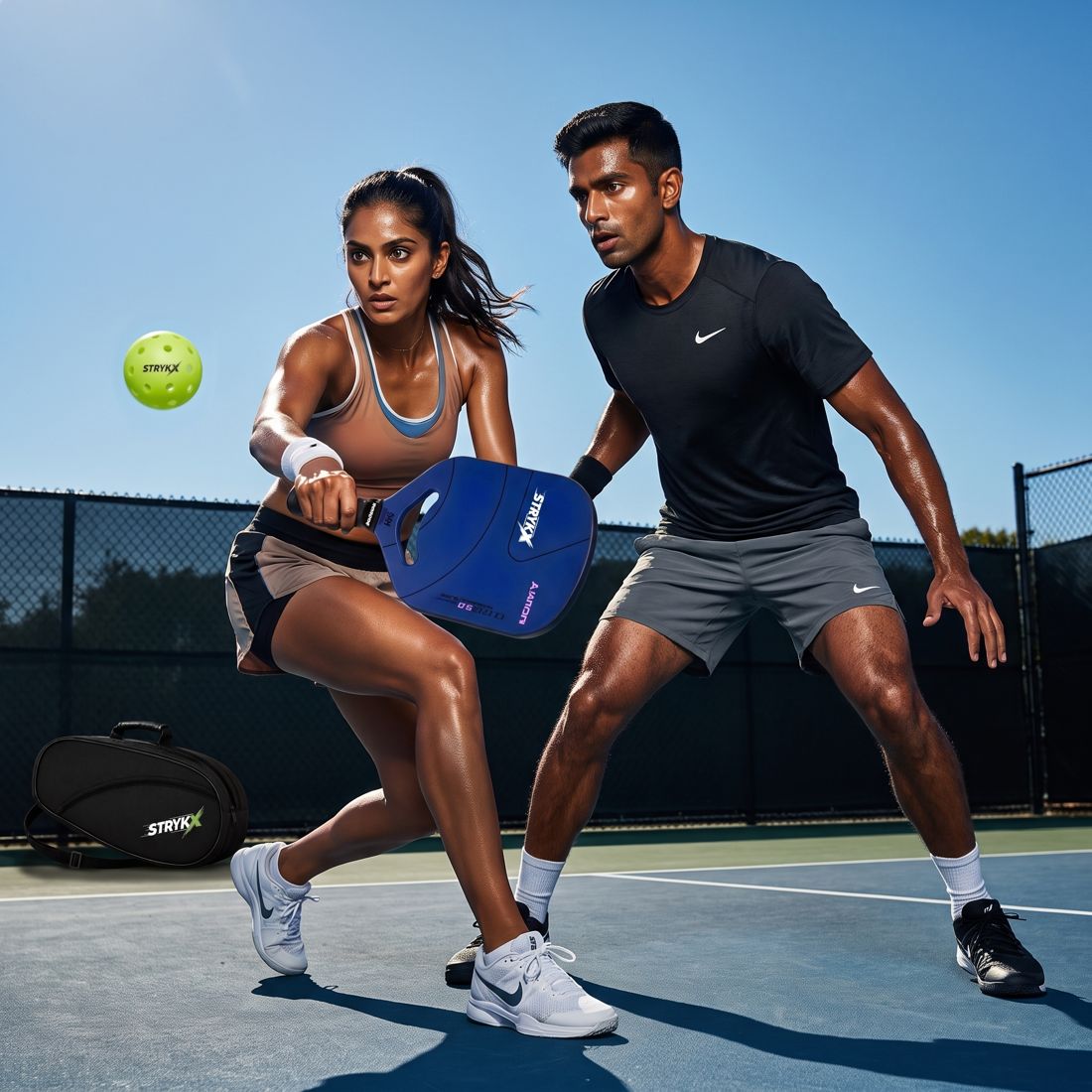
Player blocking a hard-hit ball at the pickleball net
The short answer

A volley is any shot hit out of the air without a bounce; a block reset absorbs a hard-hit ball with a firm, still paddle face rather than swinging, dropping it softly into the kitchen. Use a firm wrist and let the ball's own pace do the work — swinging back at a fast ball usually sends it long or into the net.

Key takeaways

  • A volley is any shot struck before the ball bounces.
  • A block reset uses a firm, still paddle — not a swing — to absorb pace.
  • Angle the paddle face slightly down and open to drop the ball short.
  • Reacting, not swinging, is the skill against hard-hit balls at the net.

What counts as a volley

A volley is any shot struck before the ball bounces. At the net, most exchanges are volleys — quick reaction shots with little time to think. This is why footwork and the split step matter so much here: your body needs to already be moving before the ball arrives.

The block reset: absorbing pace

Against a hard-driven ball, the instinct to swing back is usually wrong. Instead, hold the paddle firm with a stable wrist and let the ball rebound off the face — a block, not a hit. This absorbs the incoming pace and, done correctly, drops the ball short into the kitchen rather than sending it back with interest.

This is the core defensive skill discussed in beating bangers — the block reset is the technique that makes that whole strategy possible.

Paddle angle for a soft landing

Angle the paddle face slightly open (tilted back) and hold it still. The steeper the incoming ball's pace, the more the paddle naturally absorbs and redirects it downward. Practising this angle against increasingly hard-fed balls builds the feel needed to do it instinctively in a match.

A simple drill

Have a partner drive balls at you from the baseline while you stand at the kitchen line and practise blocking each one back short and soft. Start at moderate pace and increase gradually. Track how many land in the kitchen versus how many pop up — popped-up blocks usually mean the paddle face was too closed or too much wrist movement crept in.
Gear that helps

A core built
to absorb

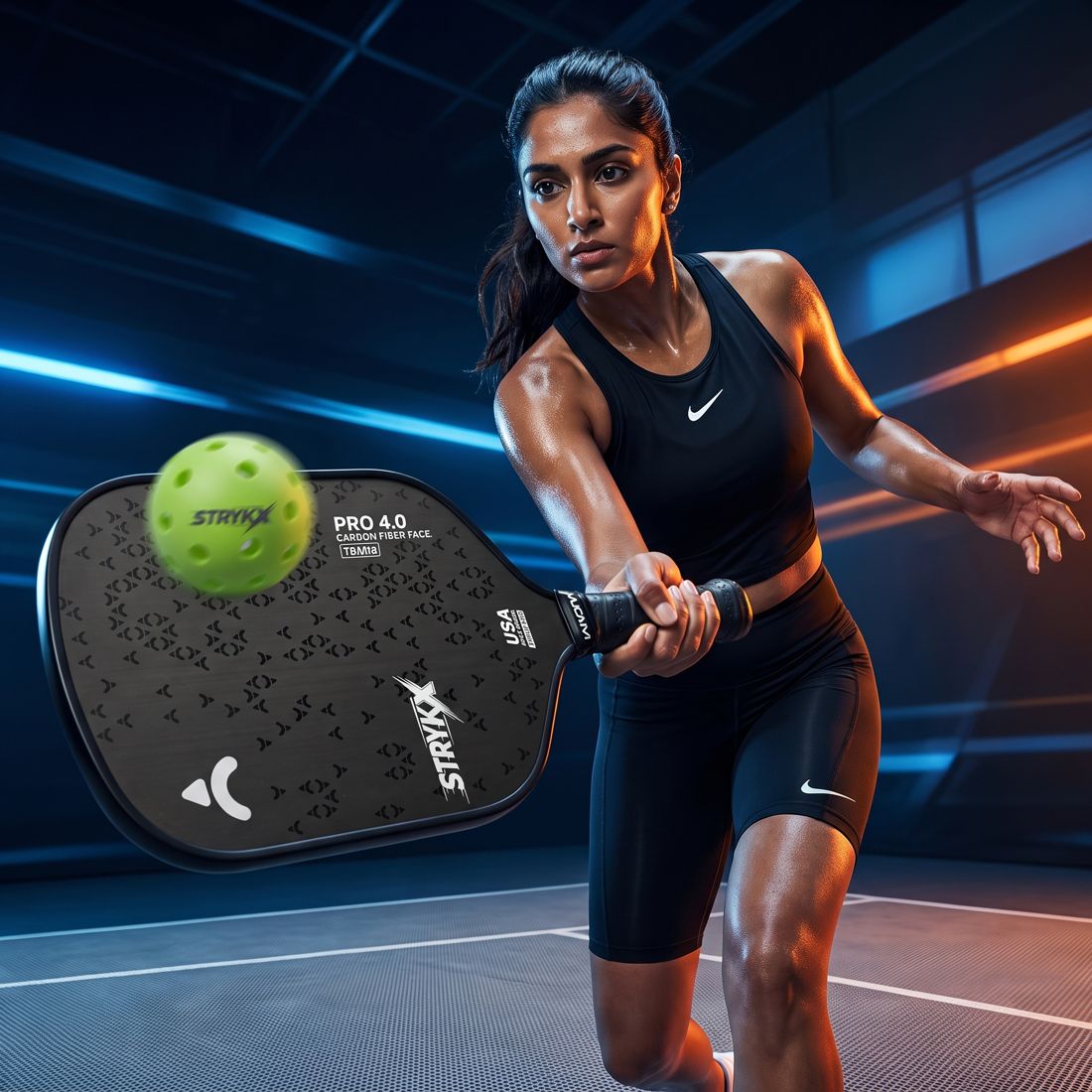
The STRYKX Pro 4.0's 16mm polypropylene core softens fast incoming shots on contact, making a clean block reset noticeably easier to control.

Shop the Pro 4.0
Player blocking a fast shot with a STRYKX Pro 4.0 paddle

Frequently asked questions

What is a volley in pickleball?

A volley is any shot struck before the ball bounces on your side of the court. Most net exchanges in pickleball are volleys, since both players are close enough that the ball rarely has time to bounce.

What is a block reset in pickleball?

A block reset is a technique for handling a hard-hit ball by holding the paddle firm and still rather than swinging, letting the ball's own pace rebound softly off the face and drop into the kitchen.

Why shouldn't I swing at a hard-hit ball?

Swinging adds your own pace to an already-fast ball, usually sending it long or into the net. A firm, still paddle absorbs the pace instead, giving you a controlled, soft result.

How do I stop my blocks from popping up?

A popped-up block usually comes from the paddle face being too closed (flat or angled up) or from unwanted wrist movement during contact. Keep the face slightly open and the wrist still.

STRYKX Playbook · Technique · Reviewed July 2026