Fundamentals · Beginner

Pickleball Fitness and Conditioning: Training to Play Better

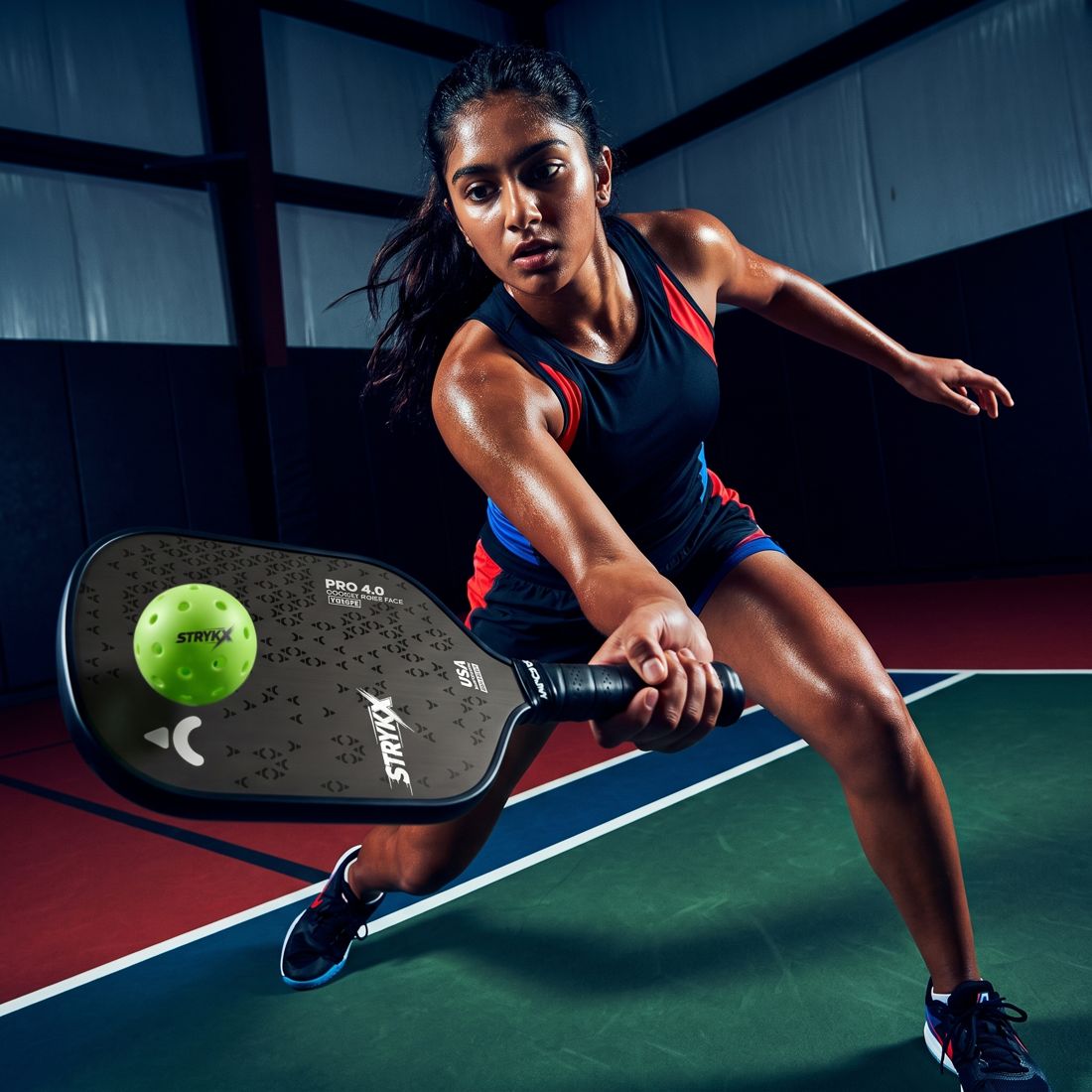
Player doing agility training for pickleball conditioning
The short answer

Pickleball rewards short-burst agility and lateral quickness more than long-distance endurance, since points are short and movement is mostly side-to-side. Focus conditioning on agility drills, quick-direction sprints, and core stability, alongside the mobility work covered in warm-up routines.

Key takeaways

  • Pickleball demands short bursts of lateral quickness, not distance endurance.
  • Agility and direction-change drills translate directly to on-court movement.
  • Core strength supports balance and stability during quick reaction shots.
  • General fitness improves stamina across a long match or tournament day.

What kind of fitness pickleball actually demands

Unlike sports built around sustained running, pickleball points are typically short, with quick bursts of lateral movement followed by brief recovery. This means agility and quickness matter more for on-court performance than long-distance endurance, though general cardiovascular fitness still helps you recover between points and last through a long match or tournament day. Good movement starts with the footwork fundamentals covered separately — conditioning supports that technique, it doesn't replace it.

Agility and direction-change training

Ladder drills, cone shuffles, and short sprint-and-stop exercises translate directly to the kind of movement pickleball demands — quick reactions, sudden direction changes, and short bursts rather than sustained running. Even 10-15 minutes of agility-focused training a few times a week noticeably improves on-court movement over time.

Core strength and stability

A stable core supports balance during reaction shots at the net and reduces strain during quick, off-balance movements. Basic core exercises — planks, rotational work — support the kind of quick, stable positioning discussed in third shot drop and other technique-heavy shots that depend on a controlled, balanced base.

Fitting conditioning around your schedule

You don't need a dedicated gym routine to improve pickleball fitness — consistent, short conditioning sessions a few times a week are more sustainable and often more effective than occasional long workouts. Pair this with the pre-game warm-up routine for the fullest picture of physical preparation for the sport.
Related reading

Warm up
before you train

Conditioning and warm-up work together. See the full pre-game routine built for pickleball's specific movement demands.

Read the guide
Player warming up before agility training

Frequently asked questions

Do I need to be very fit to play pickleball well?

General fitness helps, especially for long matches, but pickleball rewards short-burst agility and lateral quickness more specifically than distance endurance.

What kind of training helps most for pickleball?

Agility and direction-change drills — ladder work, cone shuffles, short sprint-and-stop exercises — translate most directly to the movement patterns pickleball actually demands.

Does core strength matter for pickleball?

Yes. A stable core supports balance during reaction shots and reduces strain during the quick, off-balance movements common at the net.

How much training time do I need to see improvement?

Consistent, short sessions — even 10-15 minutes of agility work a few times a week — tend to be more effective and sustainable than occasional long training sessions.

STRYKX Playbook · Fundamentals · Reviewed July 2026