Fundamentals · Beginner

Pickleball Injury Prevention: Common Injuries and How to Avoid Them

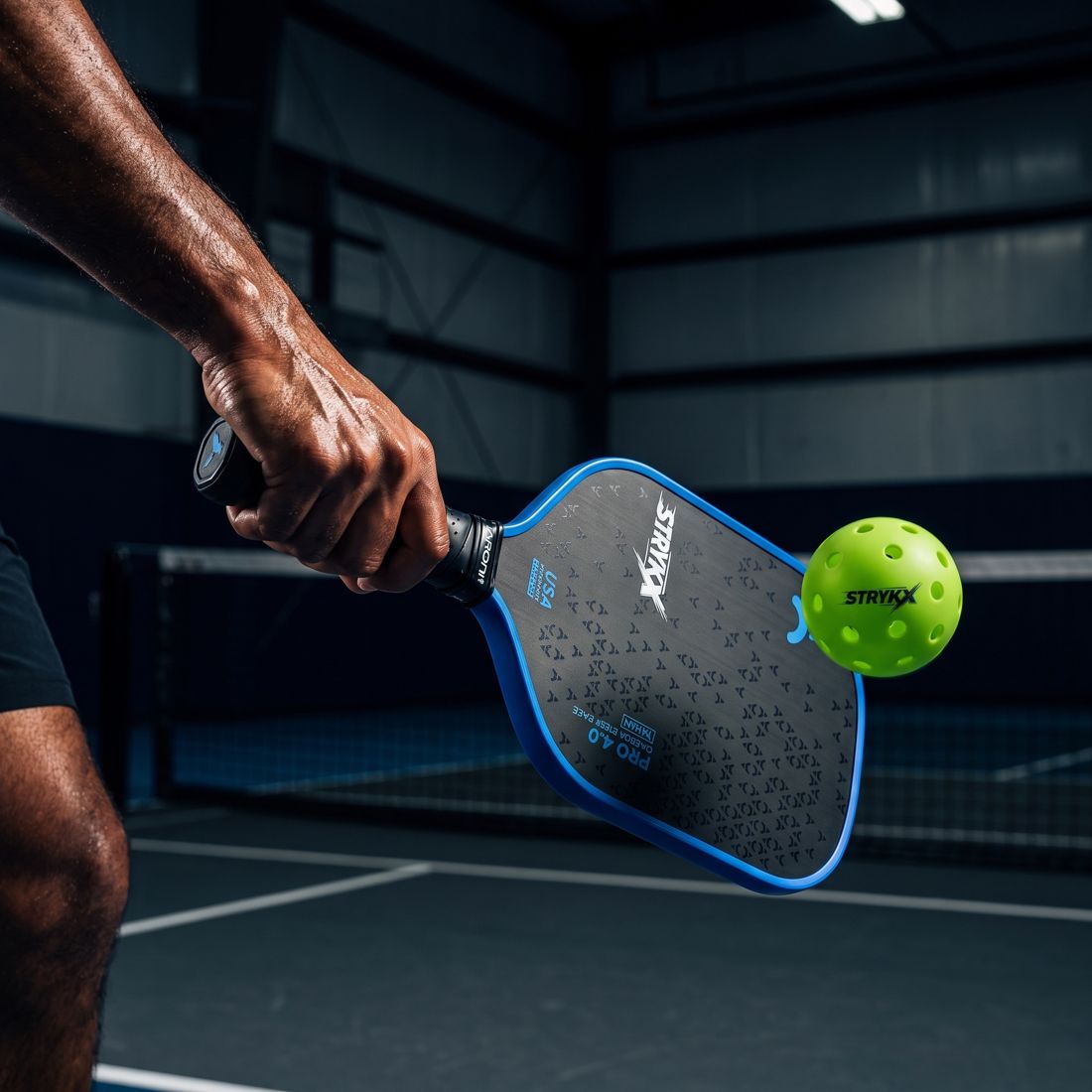
Player using correct technique to reduce strain during a pickleball rally
The short answer

The most common pickleball injuries are tennis elbow, ankle sprains and shoulder strain, mostly caused by cold-muscle play, poor technique, and sudden direction changes. Reduce risk with a proper warm-up, a paddle grip that fits your hand, technique that uses the shoulder rather than the wrist, and supportive court shoes.

Key takeaways

  • Tennis elbow, ankle sprains and shoulder strain are the most common pickleball injuries.
  • A proper warm-up significantly reduces strain injury risk.
  • Wrist-driven shots increase elbow strain; shoulder-driven technique reduces it.
  • Court shoes with lateral support matter more than running shoes for ankle safety.

The most common pickleball injuries

Tennis elbow (lateral epicondylitis): inflammation from repeated wrist-driven shots, especially dinks and volleys hit with poor technique.

Ankle sprains: caused by the sudden lateral movement and direction changes common at the kitchen line, often worsened by inappropriate footwear.

Shoulder strain: from repeated overhead motions like smashes, or from a serving motion that relies too much on the shoulder joint rather than a smooth, full-body motion.

Technique changes that reduce injury risk

Many overuse injuries trace back to technique. Wrist-driven dinks, for example, put repeated strain through the elbow — see dinking mechanics for the shoulder-driven technique that reduces this strain while also improving consistency. Good technique and injury prevention are usually the same fix.
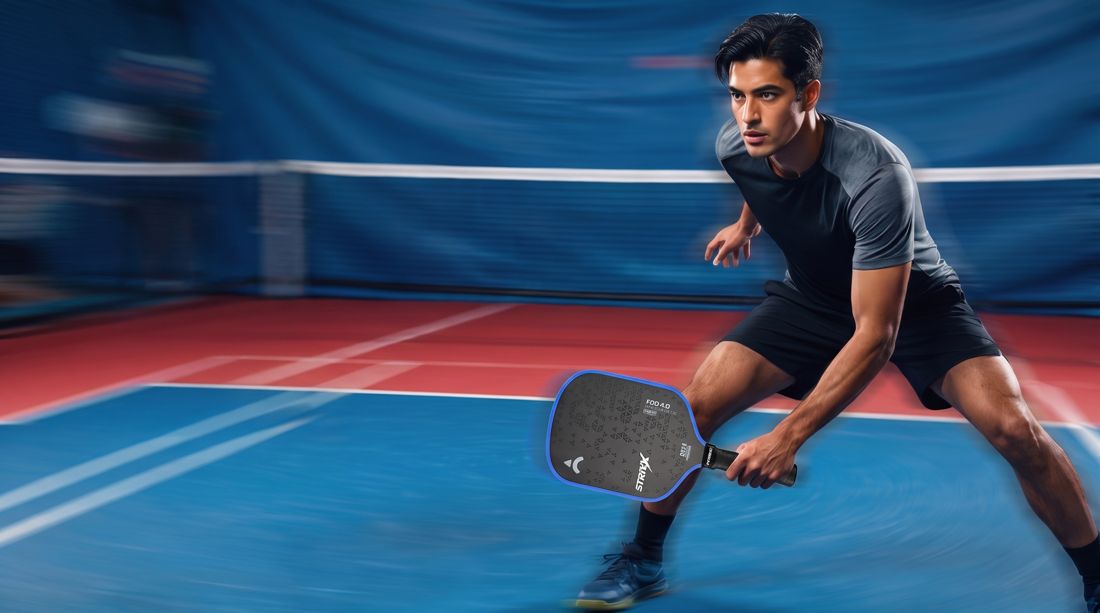
Player using correct shoulder-driven technique to reduce wrist strain
Shoulder-driven mechanics reduce strain and improve consistency at the same time.

Warm-up and conditioning

Cold muscles and joints are far more susceptible to strain. See warm-up and mobility for a full pre-game routine — the single highest-leverage habit for reducing early-session injuries.

Equipment choices that matter

A paddle grip that's the wrong size forces extra squeezing force through the forearm on every shot, contributing to elbow strain over time — see grip size and overgrips for how to check your fit. Court shoes with lateral support, rather than running shoes built for forward motion, significantly reduce ankle injury risk given how much side-to-side movement the game demands.

When to see a professional

Persistent pain that doesn't improve with rest, swelling, or pain that affects your grip strength or range of motion are signs worth having assessed by a physiotherapist or doctor rather than playing through. Minor, brief soreness after a long session is normal; sharp or lasting pain generally isn't.
Related reading

Warm up
the right way

Most strain injuries start with cold muscles. See the full pre-game warm-up routine built for pickleball's specific movement demands.

Read the guide
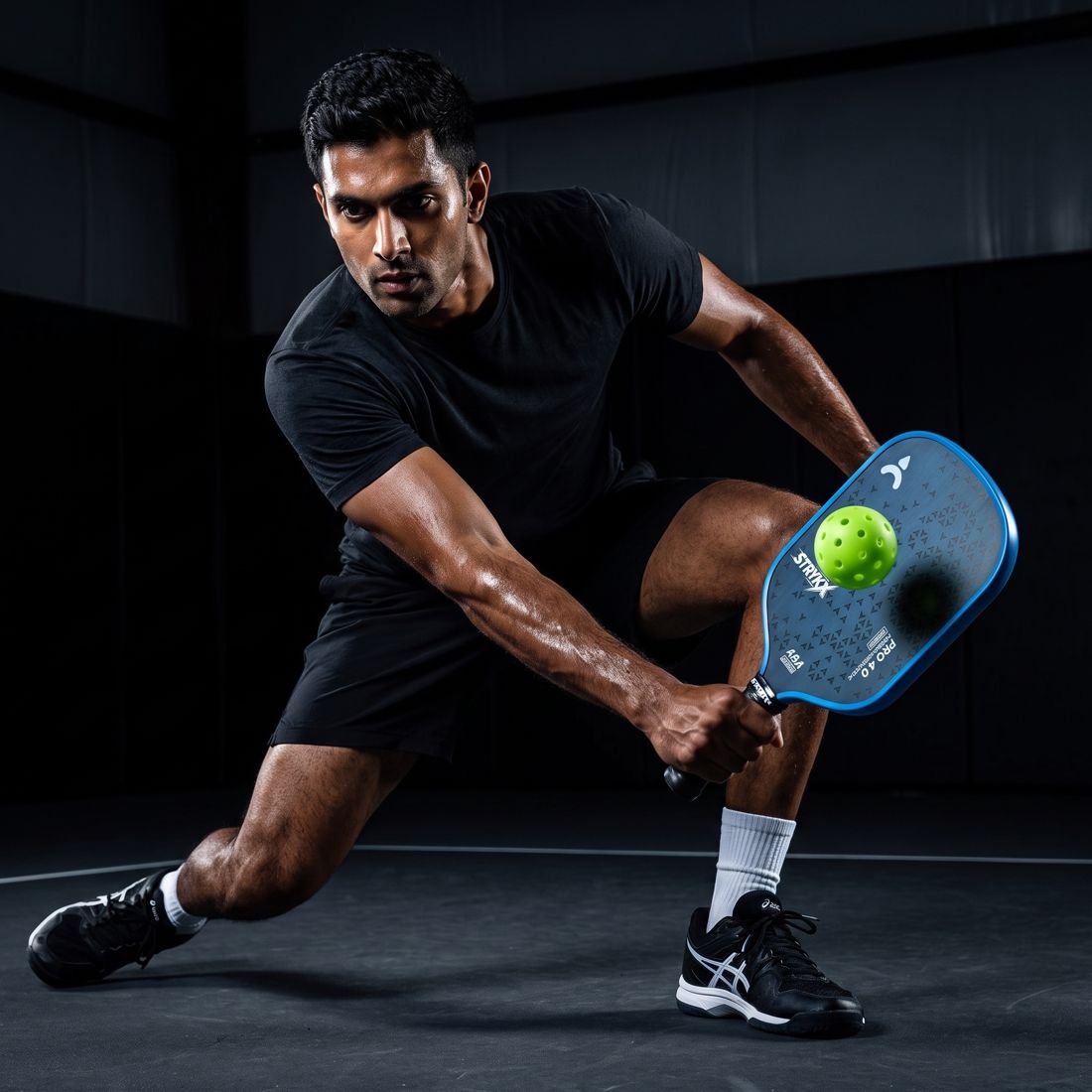
Player warming up before a pickleball match

Frequently asked questions

What is the most common pickleball injury?

Tennis elbow, ankle sprains and shoulder strain are among the most commonly reported pickleball injuries, largely due to repeated wrist-driven shots, sudden lateral movement, and overhead motions.

Can technique really prevent pickleball injuries?

Yes, in many cases. Wrist-driven shots, for example, put repeated strain through the elbow, while shoulder-driven technique reduces that strain and typically improves shot consistency at the same time.

Does paddle grip size affect injury risk?

Yes. A grip that's too small forces extra squeezing force through the forearm on every shot, which can contribute to elbow strain over a long session or season.

What shoes should I wear for pickleball?

Court shoes designed for lateral movement offer more ankle support than running shoes, which are built primarily for forward motion and don't support the side-to-side movement pickleball demands.

STRYKX Playbook · Fundamentals · Reviewed July 2026